
Protecting Older Adults from Scams and Fraud: A UK Family Guide to Financial Safety
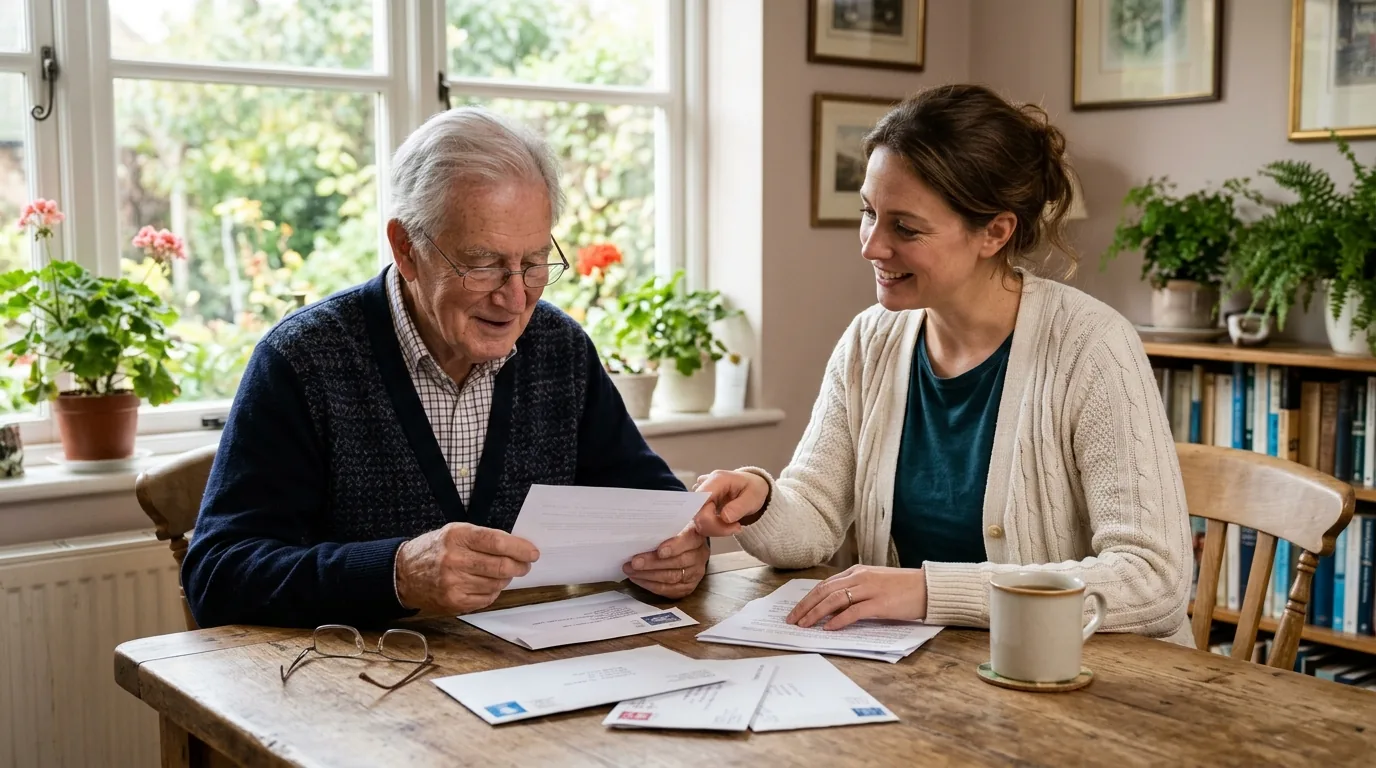
Every year, hundreds of thousands of older adults across the UK fall victim to deceptive scams, rogue doorstep traders, and sophisticated financial fraud. According to data from Trading Standards and Age UK, people aged 65 and over are disproportionately targeted by professional fraudsters. But the true tragedy of elder fraud extends far beyond lost savings: it shatters an older person's confidence, triggers intense shame and anxiety, and can accelerate physical and cognitive decline.
Contrary to widespread belief, elderly people do not fall for scams because they are "gullible" or "careless." Modern criminal syndicates deliberately exploit generational courtesy, politeness, high trust, and—most critically—social isolation. When an older person lives alone, a cold caller on the telephone or an unexpected knock at the front door can feel like a welcome conversation rather than a predatory threat.
In this comprehensive UK family guide, we uncover the five most prevalent scams targeting older people, outline subtle warning signs for family members, provide a practical home and banking defence toolkit, and explain how trusted private home care in the UK creates a protective safety net against financial exploitation.
1. The Five Most Common Scams Targeting Older People in the UK
Understanding how criminals operate is the first step in shielding your loved one. Today's fraudsters use high psychological pressure, fear, and manufactured urgency:
1. Doorstep Fraud & Rogue Traders
Uninvited callers knock on the door claiming they have noticed "dangerous" structural faults—such as loose roof tiles, cracked chimneys, blocked gutters, or overgrown trees that supposedly threaten neighbouring properties. They quote an artificially low estimate, pressure the homeowner to agree immediately, and begin work without written contracts. Within hours, they dramatically inflate the price, demand thousands of pounds in cash, or even offer to drive the elderly homeowner to their local bank branch to withdraw the money.
2. Telephone Impersonation Scams (Vishing & Courier Fraud)
Fraudsters use software to "spoof" legitimate telephone caller IDs, making the call appear as if it is coming from their high street bank, building society, the police, or HM Revenue & Customs (HMRC). The caller fabricates an urgent emergency: claiming the person’s account has been compromised by corrupt branch staff and that their funds must be transferred immediately to a "safe government holding account." In courier fraud, the criminal convinces the victim that their physical debit card or cash is needed as evidence in a police sting, sending a fake courier to their doorstep to collect it.
3. Postal Lotteries & Clairvoyant Letters
Older adults frequently receive official-looking letters declaring they have won a multi-million-pound foreign lottery or prize draw. To claim the jackpot, the recipient is instructed to send a "processing fee" or "release tax" of £20 to £50. Once an older person responds, their contact details are added to international "suckers lists" traded between criminal gangs, resulting in sacks of coercive mail arriving every week.
4. Digital Phishing, Delivery Texts & WhatsApp Scams
Even seniors who only use a mobile phone for basic messaging are bombarded with deceptive SMS messages. Common examples include fake Royal Mail or Evri delivery fee notices, fraudulent NHS flu/booster vaccination links, or the notorious "Hi Mum / Hi Dad" WhatsApp scam—where a criminal poses as a son or daughter who has lost their phone and urgently needs a bill paid before 5:00 PM.
5. Romance & Befriending Exploitation
Loneliness is the primary vulnerability exploited by romance and befriending fraudsters. Criminals strike up conversations online, on social media, or even in local community spaces, steadily nurturing trust and emotional dependence over weeks or months. Once a bond is established, they begin asking for money to cover sudden medical emergencies, travel costs to visit, or fraudulent business ventures.
2. Subtle Warning Signs Your Loved One May Be Targeted
Older people rarely report scams voluntarily because they fear being judged, patronised, or having their financial independence taken away. Watch for these subtle indicators:
- Piles of Junk Mail and Catalogues: Stacks of unopened letters from sweepstakes, foreign lotteries, or clairvoyants piling up by the front door or in the recycling bin.
- A Constantly Ringing Landline: The phone rings multiple times an hour, or your relative appears startled, secretive, or agitated when answering incoming calls.
- Sudden, Unexplained Cash Withdrawals: Bank statements showing unusual trips to ATMs, large counter withdrawals, or rapid transfers to unfamiliar account numbers.
- Unfamiliar Tradespeople or Shoddy Work: Freshly patched cement on driveways, missing roof slates, or half-finished tree work done by workers without branded vans or written invoices.
- Sudden Financial Anxiety: An elderly parent who has always been financially secure suddenly worries about being able to afford everyday groceries or utility bills.
- Secretive New "Friends": Frequent mentions of a new companion who takes a sudden, intense interest in their personal finances, wills, or house deeds.
Need Trusted, Compassionate In-Home Support for Your Loved One?
Social isolation is the single greatest risk factor for elder financial exploitation. Connect directly with fully vetted, self-employed private carers across the UK—saving up to 35% on standard agency fees while providing dedicated daily companionship, oversight, and peace of mind.
👉 Browse Verified Private Carers | 📞 Call 0333 344 0645
3. The Family Protection Toolkit: Practical Physical & Digital Defences
You can dramatically reduce your relative's exposure to fraudsters by putting practical physical and financial barriers in place around their home:
Protecting the Telephone
- Register with the Telephone Preference Service (TPS): Call 0845 070 0707 or register online at tpsonline.org.uk. This legally prohibits UK-based sales calls.
- Install a Call-Blocking Landline: Upgrade their telephone to a modern call-blocking handset (such as BT Premium Call Blocker or trueCall units). These devices force unrecognised callers to state their name before the phone rings inside the house, filtering out over 95% of automated international scam calls.
- Teach the "Hang Up and Wait" Rule: Remind your loved one that genuine banks, police officers, and HMRC officials will never ask for PINs, passwords, or account transfers over the phone. If in doubt, hang up, wait 10 minutes (or use a different phone to clear the line), and dial 159—the UK’s direct emergency banking hotline.
Securing the Front Door
- Display a "No Cold Callers" Notice: Obtain an official Trading Standards door sticker clearly stating that uninvited sales representatives and doorstep traders are not welcome.
- Install a Video Doorbell: Smart doorbells (such as Ring or Eufy) allow family members to see and speak to visitors remotely via smartphone, deterring aggressive rogue traders before they cross the threshold.
- Establish a Strict Door Rule: Encourage a firm household policy: "We never buy goods or agree to home repairs at the door. All maintenance is managed by my family or trusted home team."
Managing Postal Mail
- Register with the Mail Preference Service (MPS): Sign up at mpsonline.org.uk to stop addressed advertising mail.
- Report Scam Mail to Royal Mail: If fraudulent lottery or sweepstake letters keep arriving, place them in a separate envelope and post them freepost to: Freepost SCAM MAIL, PO Box 7400 or email scam.mail@royalmail.com.
Banking and Legal Safeguards
- Third-Party Notifications: Many UK banks permit a trusted family member to receive real-time SMS notifications for high-value transactions or unusual debit card activity without having full control of the account.
- Set Daily Withdrawal Limits: Lower the maximum daily ATM cash withdrawal limit on debit cards (e.g., to £50 or £100) through their banking app or telephone banking.
- Set Up a Lasting Power of Attorney (LPA): Setting up an LPA for Property and Financial Affairs while your loved one retains full mental capacity ensures you can step in quickly if predatory individuals attempt to coerce them financially.
4. How to Talk to an Older Loved One About Scams (Without Causing Shame)
Approaching the subject of scams requires deep empathy. If a parent feels that you are patronising them or trying to strip away their financial autonomy, they will naturally become defensive and hide future incidents.
- Blame the Criminals, Not the Person: Emphasise that modern fraudsters are sophisticated, highly organized criminal syndicates who deceive doctors, bank executives, and solicitors alike.
- Share Your Own Experiences: Normalize the conversation by talking about suspicious phishing emails or scam texts you have received recently: "I nearly clicked on a fake delivery text this morning—they are so clever nowadays. Let's make sure our phones are locked down together."
- Frame Protections as Convenience, Not Surveillance: Present call blockers and mail filters as tools to eliminate "annoying sales pests and junk" rather than measures to restrict their independence.
- Respond with Compassion If a Scam Occurs: If your loved one has sent money to a fraudster, reassure them immediately: "You were targeted by criminals who deceived you; you have done nothing wrong. We are going to sort this out together right now."
5. Why Dedicated In-Home Care with No1 Healthcare Eliminates Scam Vulnerability
Loneliness is the silent accomplice to elder fraud. Scammers know that isolated older people have fewer sounding boards to check suspicious requests with. Introducing a trusted, dedicated private carer into your loved one's daily routine creates an immediate, protective shield:
- A Physical Presence at the Door: A visiting or live-in carer answers the front door, intercepting aggressive rogue traders, uninvited salespeople, and bogus charity collectors on the spot.
- Vigilant Daily Oversight: A consistent carer sorts incoming post with your relative, noticing suspicious demands for money, foreign lottery letters, or sudden changes in household routines before damage is done.
- Alleviating Isolation: Genuine companionship and engaging conversation fulfill the social needs that predatory befriending and romance scammers target.
- Tailored to Cognitive Changes: If your loved one is living with memory loss or mild cognitive impairment, a carer provides gentle orientation and supervision. (Read our guide on understanding the difference between delirium and dementia).
- Rigorous Vetting on No1 Healthcare: Every self-employed carer on the No1 Healthcare introductory platform undergoes Enhanced DBS/PVG background screening, right-to-work verification, and direct reference checks.
- Affordable, Direct Support: By eliminating traditional care agency markups, families save up to 35% while retaining direct choice over who enters their loved one’s home. Choose flexible visiting home care or continuous 24/7 live-in care.
What to Do If Your Loved One Has Been Scammed: Immediate Action Plan
If you discover that your relative has shared banking details, handed over cash, or sent money to a fraudster, act within minutes:
- 1. Call Their Bank Immediately: Dial 159 or call the emergency fraud number on the back of their bank card. Instruct the fraud team to freeze the card, block online banking, and attempt a recall of recent Authorised Push Payments (APP). Under UK Payment Systems Regulator rules, banks are mandated to reimburse eligible victims of APP fraud in most circumstances.
- 2. Report to Action Fraud: Report the crime to Action Fraud online at actionfraud.police.uk or by calling 0300 123 2040. If in Scotland, report directly to Police Scotland by dialling 101.
- 3. Contact Trading Standards: If rogue traders operated on the doorstep or work is currently taking place, call the Citizens Advice Consumer Service on 0808 223 1133. If the rogue traders are still present or threatening your loved one, call 999 immediately.
- 4. Support Their Emotional Wellbeing: Reassure your parent that their dignity and home life remain secure. Encourage regular family visits or arrange temporary respite care to restore calm and stability.
Ready to protect your loved one with compassionate, vetted home care?
Speak with our friendly UK care advisors today on 0333 344 0645 or browse verified private carers in your local community.
Frequently Asked Questions About Protecting Older Adults from Fraud
Will UK banks refund money if an elderly person voluntarily sent it to a scammer?
Yes. Under the UK Payment Systems Regulator (PSR) mandatory reimbursement rules for Authorised Push Payment (APP) fraud, banks and payment providers must reimburse eligible customers who are tricked into sending money to fraudsters, up to the statutory limit. Older, vulnerable adults have strong consumer protections under these guidelines.
What is the 159 phone service and how does it work?
159 is a secure, national telephone hotline that connects UK bank customers directly to their bank’s official fraud department. If an older person receives a suspicious call, text, or payment request, they can simply hang up and dial 159 from their landline or mobile to speak safely with their verified bank representative.
How can you legally stop rogue traders knocking on an elderly parent's door?
Displaying a Trading Standards "No Uninvited Traders" sticker creates a legal boundary. Under the Consumer Protection from Unfair Trading Regulations, visiting a home that clearly displays a "no cold calling" notice can constitute an offence. Combining this with a video doorbell and having a private home carer present during peak daytime hours virtually eliminates rogue doorstep solicitations.
How do you spot if an elderly relative with dementia is being financially exploited?
Look for missing chequebooks, sudden large cash withdrawals, changes to property deeds or wills, unusual new "friends" offering paid assistance, or unpaid household utility bills despite sufficient funds. Arranging consistent specialist dementia care ensures that financial mail is safeguarded and daily routines are overseen by a trusted, DBS-checked professional.
Can having a private carer at home reduce scam risks for an older person?
Yes, significantly. Predatory scammers exploit isolation. A dedicated private carer provides a constant physical presence, screens visitors and postal mail, assists with telephone calls, and offers genuine social connection, removing the loneliness that romance and befriending scammers prey upon.