
The Hidden Risk of Dehydration in the Elderly: A Complete Guide to Prevention at Home
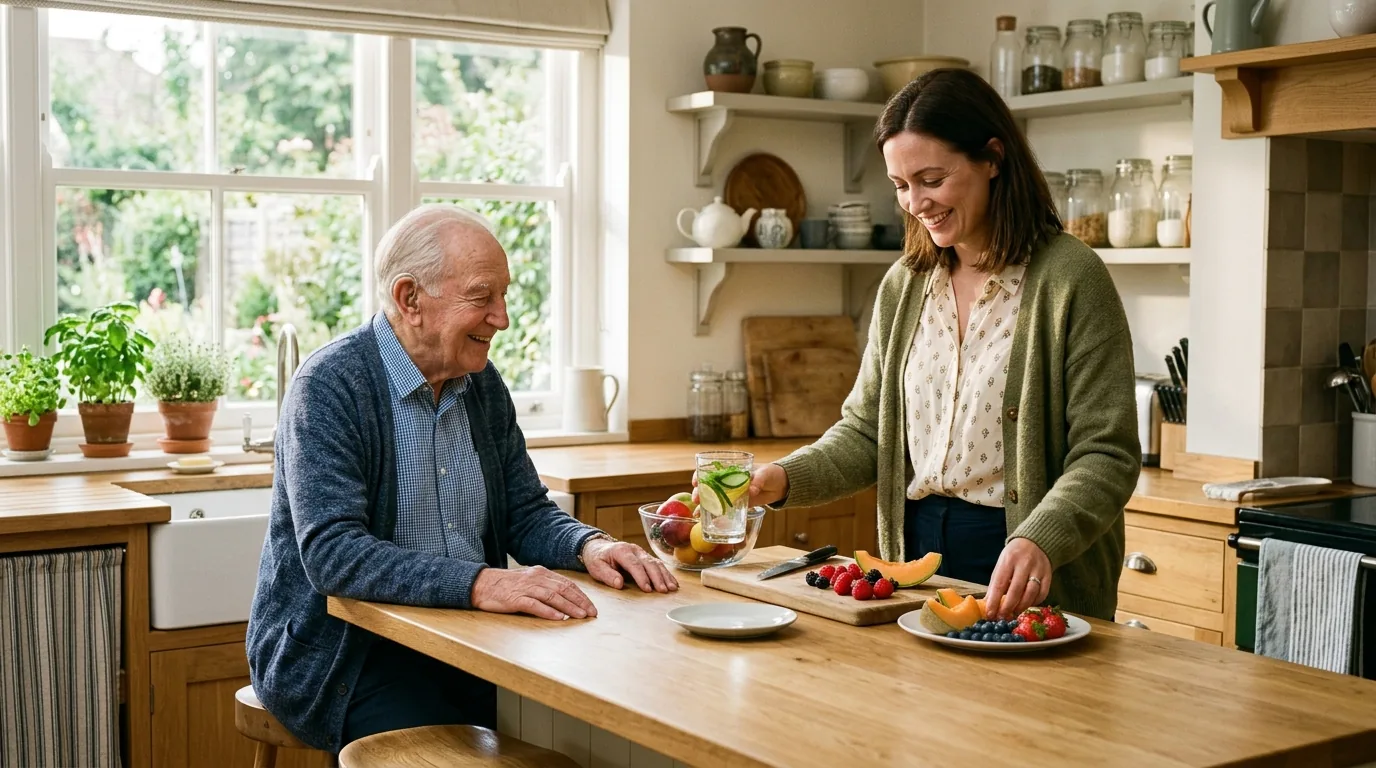
Water makes up roughly 60% of our bodies, acting as the engine oil that keeps our joints lubricated, regulates our temperature, and ensures vital organs function correctly. However, as we age, maintaining healthy hydration levels becomes significantly more challenging.
Dehydration is one of the most frequent—yet highly preventable—causes of hospital admissions for older adults in the UK. For families arranging private care in the UK, understanding how to monitor fluid intake and spot the subtle early warning signs is a crucial part of keeping a loved one safe, comfortable, and independent at home.
The Biological Shift: Why Fluid Loss Accelerates with Age
Dehydration in later life is rarely just about forgetting to drink water; it is often driven by natural physiological changes and compounding health factors.
- A Diminished Thirst Response: As we grow older, the brain’s mechanism for signalling thirst becomes less sensitive. Your loved one may simply not feel the urge to drink, even when their body is in a state of fluid deficit.
- Reduced Kidney Function: Ageing kidneys gradually lose their ability to conserve water, meaning more fluid is flushed out of the body through urination.
- Medical Conditions and Medications: Health challenges such as diabetes or kidney disease naturally increase fluid loss. Furthermore, common prescriptions—like diuretics for high blood pressure or laxatives—actively draw water out of the system.
- Mobility Barriers: If getting up to fetch a drink is painful or exhausting, an older person might unintentionally restrict their fluid intake to avoid the physical effort or to reduce trips to the bathroom.
Recognising the Warning Signs: A Progressive Scale
Because the sensation of thirst is unreliable in older adults, family members and those providing homecare must rely on physical and behavioural cues.
The Early Indicators
Catching dehydration early makes all the difference. Look out for:
- Dark, concentrated, or strong-smelling urine (a healthy baseline is a pale straw colour).
- Infrequent trips to the toilet.
- Complaints of a dry mouth, sticky lips, or dry eyes.
- Unusual lethargy, sluggishness, or sudden daytime fatigue.
- Mild headaches and dizziness upon standing.
The Link Between Dehydration and Sudden Confusion
One of the most misunderstood symptoms of poor hydration is cognitive decline. A lack of water heavily impacts brain function. If your loved one suddenly seems disoriented, unusually agitated, or drowsy, dehydration could be the primary culprit. (Read our complementary guide on dehydration symptoms and daily checks for more insights).
This is particularly critical for individuals receiving specialist dementia home care UK, as the symptoms of dehydration can easily mimic or temporarily worsen the signs of cognitive decline.
Critical Symptoms (When to act immediately)
If fluid levels drop dangerously low, it becomes a medical emergency. You should contact a GP or call 111 if you observe:
- A complete lack of urination for over eight hours.
- A rapid, fluttering heartbeat and shallow breathing.
- Sunken eyes and unusually cold hands or feet.
- Severe confusion or an inability to stay awake.
Emergency Note: If your loved one loses consciousness, experiences a seizure, or deteriorates rapidly, call 999 immediately. Do not wait.
Two Quick Hydration Checks You Can Do at Home
If you are unsure whether your loved one is drinking enough, these two simple checks can provide quick insight:
- The Visual Check: The colour of their urine is the most accurate daily indicator. Dark amber means they need fluids immediately.
- The Skin Turgor Test: Gently pinch the skin on the back of their hand and release it. Hydrated skin will snap back into place instantly. If it stays "tented" or returns very slowly, it can indicate fluid loss. (Keep in mind that older skin naturally loses elasticity, so use this alongside other observations).
Need Trusted Support to Keep Your Loved One Hydrated & Safe?
Connect directly with fully vetted, self-employed private carers across the UK for flexible one-to-one home support, respite care, and live-in care.
👉 Find a Local Carer Here | 📞 Call 0333 344 0645
Practical Strategies to Boost Daily Fluid Intake
The NHS suggests a target of six to eight glasses of fluid daily. Reaching this goal requires making hydration effortless and enjoyable.
- Remove the Obstacles: Never make them ask for a drink. Keep a fresh, easy-to-reach beverage beside their favourite chair and on their bedside table. If grip strength is an issue, invest in lightweight, adaptive cups with secure lids.
- Eat Your Water: Hydration doesn’t just come from a tap. High-water-content foods are excellent top-ups. Incorporate daily portions of cucumber, melon, berries, stews, and broths into their diet.
- Use Visual Cues: For those living with memory loss, transparent glasses or brightly coloured cups placed at eye level serve as excellent passive reminders to take a sip.
- Vary the Menu: Plain water can become unappealing. Offer a rotation of warm milk, herbal teas, diluted squash, and natural fruit juices. While tea and coffee are fine in moderation, remember that high caffeine intake can act as a mild diuretic.
Total Peace of Mind with Direct Home Support
Managing a loved one’s daily health metrics while balancing your own life can be overwhelming. If you are struggling to maintain their routine, No1 Healthcare Private Carers offers a direct, affordable solution.
By using our platform, you can bypass the rigid structures and high fees of traditional agencies to connect directly with fully vetted private carers in the UK.
Whether you need someone to drop by for a few hours of visiting care in the UK to prepare nutritious, water-rich meals, or require the continuous reassurance of live-in care in the UK, you are in total control. Your chosen professional will integrate seamlessly into your loved one’s life, diligently monitoring their hydration, managing their medication, and ensuring they remain safe and healthy in the comfort of their own home.
Ensure your loved one gets the dedicated attention they deserve.
Call the No1 Healthcare team today on 0333 344 0645 to find trusted, independent support tailored perfectly to your family’s needs, or browse available carers online.
.png)
.png)
.png)
.svg)